


Reviving Lost Foraged Herbs: Mountain Greens and Timmur Take Center Stage in Urban Menus


KATHMANDU — Across the premier restaurant kitchens of Kathmandu, Lalitpur, and Pokhara, top chefs are turning away from generic imported spices to champion indigenous Himalayan herbs. Wild mountain greens, high-altitude alliums, and native pepper are emerging as the defining pillars of modern Nepali dining, bridging the gap between ancestral village hearths and contemporary urban gastronomy.
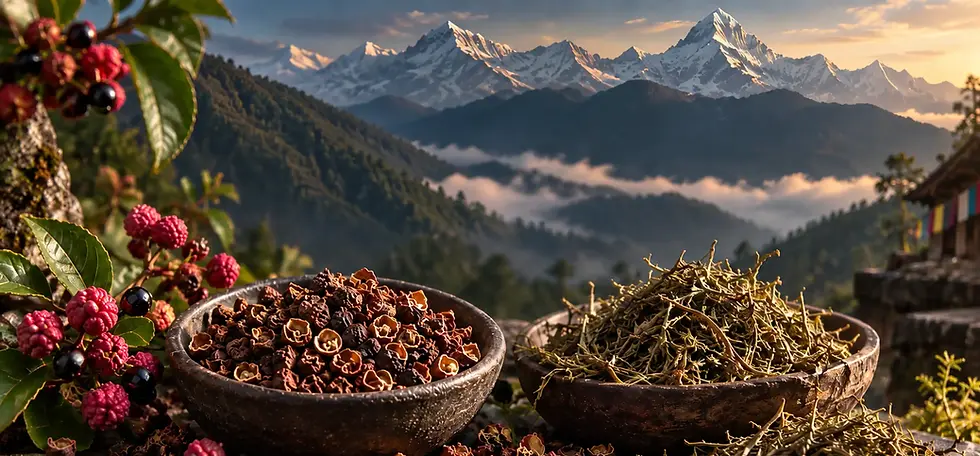
At the center of this movement are timmur and jimbu—two botanical staples deeply embedded in Himalayan culinary heritage. While home cooks traditionally bloom sun-dried jimbu in hot mustard oil to temper yellow dal, urban chefs are integrating its roasted, garlicky aroma into compound butter, veloutés, and savory emulsions. Simultaneously, timmur (Zanthoxylum armatum), harvested wild in mid-western districts such as Salyan and Surkhet, is gaining traction for its bright citrus notes and tingling, numbing bite. Chefs are pairing the native peppercorn with dry-aged meats, house-fermented hot sauces, and artisan bar programs.

Alongside wild alliums, high-altitude seasonal greens are moving from subsistence cooking directly onto boutique tasting menus:
Sisnu (Himalayan Stinging Nettle): Traditionally boiled into a restorative, iron-rich mash in rural hill communities, fresh sisnu is being pureed into velvety soups, delicate handmade pastas, and nutritious broths.
Niuro (Wild Fiddlehead Fern): Foraged along riverbeds and damp ravines during the monsoon season, this seasonal wild fern is prized for its crisp texture and asparagus-like flavor, appearing charred alongside artisanal cheeses and grilled trout.
Silam (Perilla Seeds): Renowned in eastern mountain districts for its nutty, smoky crunch, toasted silam is replacing generic seed crusts on roast meats, fresh vegetable salads, and regional chutneys.
This culinary shift reflects a broader global movement toward hyper-local sourcing, sustainability, and plant-forward dining. By collaborating directly with foraging cooperatives in districts like Solukhumbu, Mustang, and Sindhupalchok, Kathmandu restaurateurs are establishing traceable supply chains. This direct trade injects steady income into remote communities while keeping indigenous botanical knowledge alive.
As diners increasingly prioritize authentic origin stories, sustainability, and unique flavor profiles, Nepal’s urban food scene is sending a clear signal: the true future of Himalayan gastronomy is rooted wild in the country's own hills.


Comments