



Kathmandu Hosts Molecular Gastronomy Masterclass for Hospitality Professionals


Kathmandu’s culinary industry marked a progressive milestone as the 5-day Molecular Gastronomy Masterclass, jointly organized by Chef Nepal in collaboration with the US Nepal Gastronomy Chefs Association, concluded successfully with strong participation from professional chefs representing leading hotels, restaurants, and hospitality brands.

The specialized training program brought together 28 chefs from diverse culinary backgrounds, making it one of the most focused modern gastronomy trainings conducted in Nepal in recent years. Participating chefs included representatives from Lavie Hospitality, Aloft Kathmandu Thamel, Hyatt Centric Soalteemode Kathmandu, Patan Museum Cafe by The Himalayan Hotel, Sherpa Cuisine, and several independent culinary professionals. Among the participants was Bikesh Manandhar.
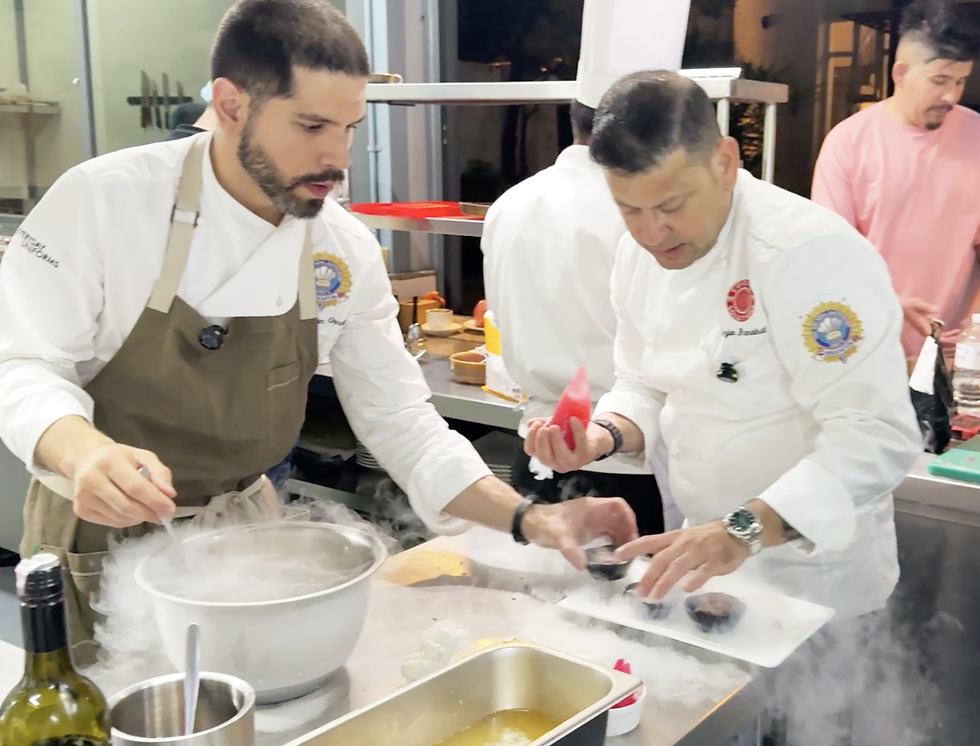
The masterclass was conducted by Chef Arjun Ranabhat and Chef Irvin Van Oordt. Chef Arjun Ranabhat is recognized for promoting Nepali cuisine globally through innovation, education, and modern culinary exchange, while Chef Irvin Van Oordt is known for his extensive international hospitality experience, contemporary culinary expertise, and advanced kitchen systems knowledge.

The first day of the program focused on orientation, introductions, culinary trends, and the scientific foundation behind molecular gastronomy. From the second day onward, the sessions moved into a fully interactive kitchen environment where participants received hands-on training in advanced culinary techniques and modern presentation methods.

During the five-day training, chefs learned a wide range of contemporary methods including emulsification, eggless mayonnaise systems, chickpea-based mayonnaise, aquafaba chocolate mousse, soy lecithin air, flavored foams, warm butter froth, olive oil foam, gelatin foam preparation, reverse spherification, caviar pearls, liquid nitrogen shaping methods, precision cooking, and modern plating.
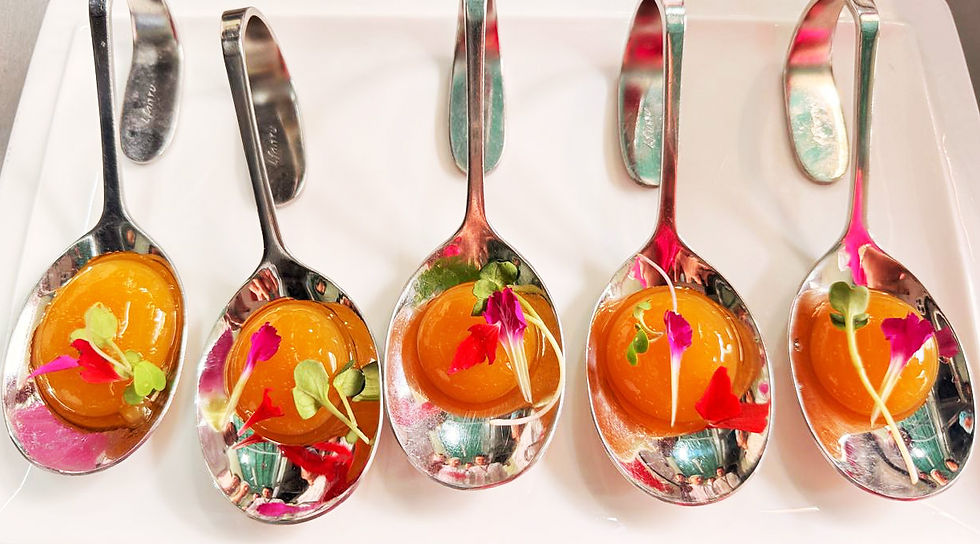
Beyond recipes, the training emphasized the science behind cooking, helping participants understand texture development, aeration, temperature control, flavor extraction, stability, and ingredient interaction. This practical and scientific approach enabled chefs to better understand how modern gastronomy can be applied effectively in professional kitchens.

Molecular gastronomy is the scientific study of cooking processes and food transformation. The discipline gained international recognition through the pioneering work of physicist Nicholas Kurti and chemist Hervé This, and later evolved through world-renowned chefs such as Ferran Adrià and Heston Blumenthal, who introduced foams, spheres, gels, and precision-based cooking to modern fine dining.
Although many Nepali chefs are familiar with these techniques in theory, modern gastronomy is still at an early stage in Nepal’s commercial food sector, where traditional and common cooking methods remain dominant. Limited availability of specialized ingredients and tools has also slowed wider adoption in the local market.

To ensure authentic learning standards, Chef Arjun Ranabhat brought many of the required ingredients and technical tools from the United States specifically for the program, giving participating chefs rare hands-on exposure to professional molecular gastronomy equipment and materials.

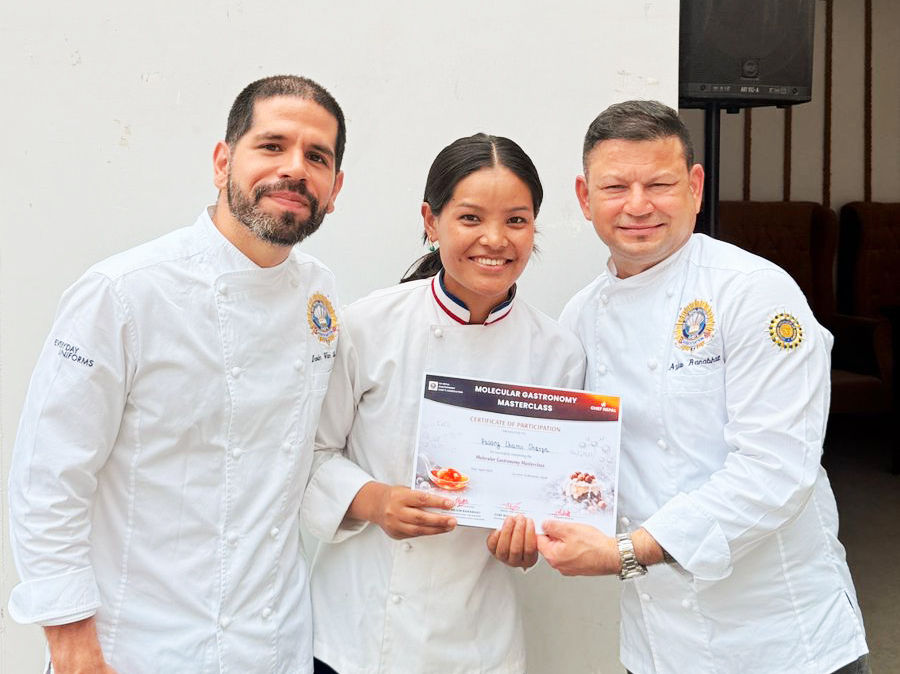
The final day of the masterclass concluded with a certificate distribution ceremony, where all participants were recognized for successfully completing the intensive training.

Dharma Raj Pandey, founder of Chef Nepal, stated that this successful edition is only the beginning, and more molecular gastronomy classes, specialized culinary workshops, and international-standard training programs will continue in the future to support Nepal’s chefs and strengthen the country’s hospitality industry.


Comments