



Culture and Cuisine: How does food carry our culture?


By Aabha Karanjit -
Food has always been and will continue to be one of the most distinctive aspects of our culture. Growing up in a Newari household, I saw that food was more than sustenance; it was sacred. I saw how no pujas and rituals were completed without the presence of food and alcohol. Every important milestone and personal accomplishment is celebrated with a sagun of eggs and dried fish, and alcohol or yoghurt. I firmly believe that food is sacred and cooking is a ritual of some sort. To understand why food culture important, we need to understand culture.
Culture is a medium to define us and our identity as a community, and Cuisine is a broader term used to generalise food from an entire culture. When we dive deeper into culture, we notice that art represents culture. Cooking and food can be part of art, but most of the time, it is seen as a skill. Traditional cooking is more of an art form. Each time we shape a yomari or make sel roti, we mirror the traditions of our ancestors. Food is often one of the most meaningful ways to connect with culture. While tourists may admire our architecture, majestic palaces and temples, etc, it is through food and the stories behind it that people can truly immerse themselves and experience the heart of a culture.
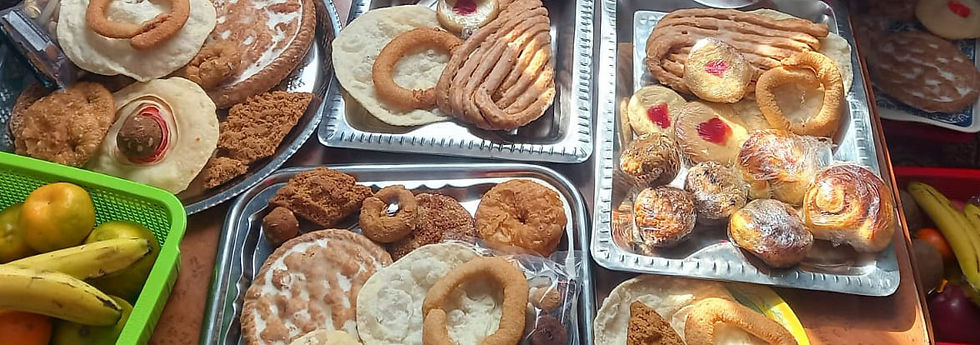
Nepali cuisine is one of the simplest yet a very flavourful cuisine. It's more than just convenient cuisine, although it is designed for sustenance. Dishes were designed to be simple and to adapt to the geography and climate. The paradox of Nepali cuisine is that it was once a means of survival, yet it is also a vital part of celebration. But as beautiful as our cuisine is, it’s also slowly fading in some ways.
Globalisation and migration are two of the most common reasons. But I have focused more on reasons I have not seen being talked about much or at all.
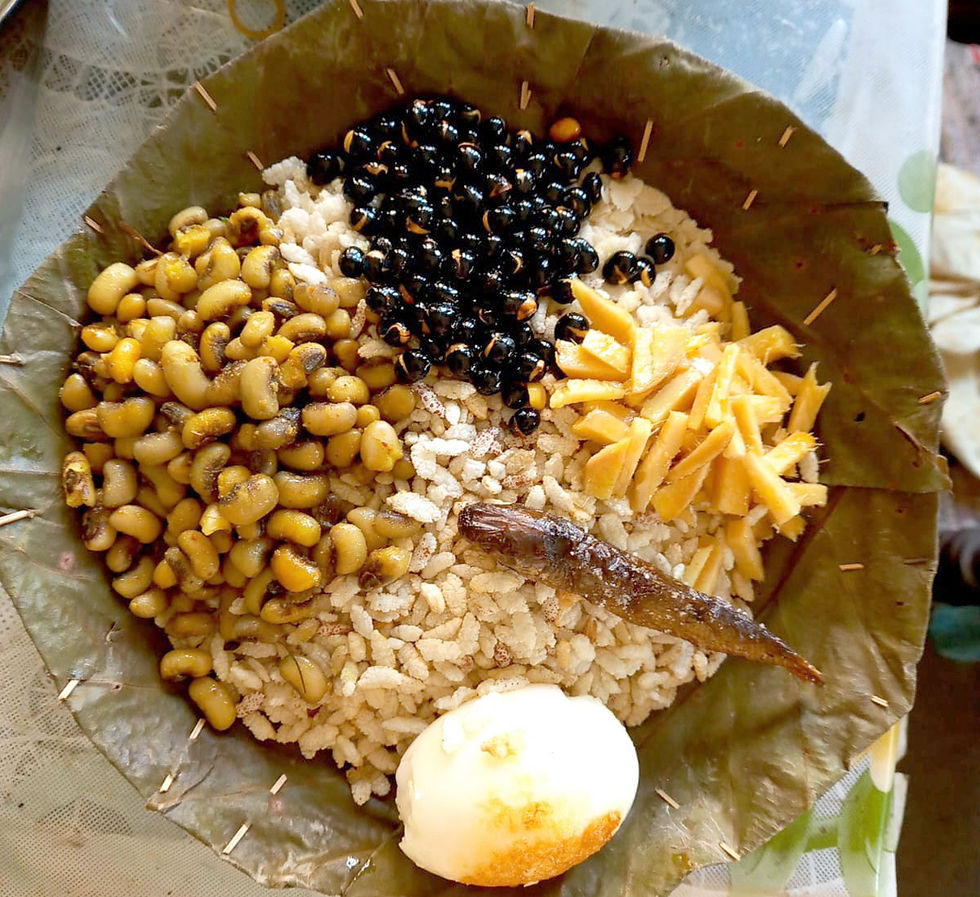
Nepali cuisine is often passed down from mothers to daughters via word of mouth. Meaning, the recipes are not written down but only talked about. So, due to societal patriarchy and the lack of platforms for women to teach or record their recipes, much of our traditional food culture was not formally preserved. Another significant reason is that it is nearly impossible to preserve every single dish in Nepal. The scale of cultural diversity in Nepali food is immense. The availability of the ingredients to make certain dishes is also a significant challenge.
Another factor is performative traditionalism, an outward expression of cultural pride. Performative traditionalism tends to focus on the aesthetic visual part rather than being deeply involved. There's a risk that much of the knowledge and culture could be lost over time without active involvement. And enforced embarrassment vested in trying to learn a traditional cuisine has limited people from trying our traditional recipe or even being curious. This is caused by rapid modernisation and westernisation. Blatant ignorance of the deeper aspects of food culture leads to a weak foundation for future generations to learn from us about our culture. The truth is that honouring and preserving our culture requires more than just surface-level performative gestures.When parts of our food culture start disappearing, we are not just losing a food; we are losing its history and significance. Every recipe that is forgotten under the burden of being unpopular is like a thread being cut one at a time, and one day, if this continues, our culture will be hanging on 3 loose threads. It is our job to preserve Nepalese food culture for the future generation and to keep our identity alive. Let’s break down some things we can do personally to preserve our culture.

Curiosity, education, knowledge, observing, listening, and researching are ways to preserve our food culture. The best tool to learn about our food culture is by communicating with our elders. Documentation of recipes, stories, and history is one of the best ways to preserve our food culture. Digital documentation is especially helpful, as we can record things in greater detail. Another thing we can follow is learning about our food and the kitchen, regardless of one’s gender. History cannot be preserved by just one gender. When food tradition becomes more inclusive, both men and women in the family can teach the younger generation about our food culture, which inherently helps us preserve it. Another way we can preserve food culture is by hosting cooking workshops. It can be a fun and interactive way of preserving our traditional recipes. Interactive learning is one of the best ways to be educated and preserve culture.

Preserving food culture is a responsibility for all. We cannot just sit around and expect change. We have to be the change. We have to create change. At the end of the day, food isn’t just about sustenance; it is a connection to our history, culture, and traditions, and it shows the resilience of our ancestors. I believe that food is poetry of some sort; the serenity in the sounds and smells of cooking is like a well-written poem.
--- Ms. Aabha is a BHM Student at NATHM


Enjoyed reading it, very structured, and significant for students and researcher who try to understand connection between culture and food, best wishes keep writing Aabha.
This is really beautiful and thoughtful. I love how you explain the connection between food, culture, and identity, and why it’s so important to preserve it. You’ve written this in a very meaningful and easy-to-understand way. Great work!! It would be great to hear from you again 🤍